
Caring for your feet
Caring for your feet is essential if you have diabetes, as the condition can reduce blood flow and damage nerves, making it harder to notice injuries or infections.
This, along with slower healing, increases the risk of serious complications like ulcers or even amputation. Proper foot care helps prevent these issues and supports overall health.
Follow these five steps to help look after your feet.

Check your feet regularly
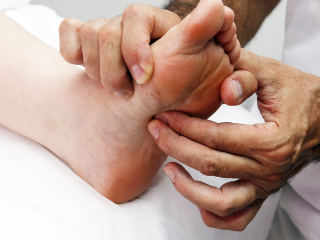
- Check your feet regularly, particularly the soles, or get someone to check them for you if this task is difficult. If your feet seem dry and the skin is prone to cracking, then apply a non-greasy moisturiser and do this regularly.
- If there is no improvement, or your feet and toes lack feeling, tell your doctor or other healthcare professional, who may refer you for specialist tests. If you develop thick calluses or notice redness, sores or blisters or experience pain in your feet, then you should also report this to your doctor or healthcare professional.
- Wash your feet daily with non-irritating soap and warm water. Avoid soaking your feet, and dry your feet completely after bathing, paying special attention to the areas between the toes. Avoid applying moisturiser to the areas between your toes.
Check your blood sugar levels

- Keep your blood sugar within acceptable levels. If you have Type 2 diabetes treated with tablets, take your medication as prescribed and do not skip a dose, no matter how well you might feel at the time.
- If you have Type 1 diabetes and regularly inject insulin, or if you have Type 2 diabetes and have been prescribed insulin, follow your doctor’s instructions regarding its proper use. This applies also to any other important prescribed medication such as tablets to reduce your cholesterol or your blood pressure.
Take regular aerobic exercise
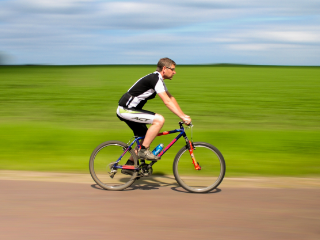
- Exercise is an essential element of keeping fit and well. This does not need to be particularly strenuous but it helps if you are slightly breathless while you are exercising, but not for too long afterwards.
- Exercise regularly, daily if you can find the time, and for at least 30 minutes. If you find it difficult to find the time, then consider walking part of the way to work if you use public transport by getting off the bus, train, tram or underground a couple of stops earlier. It might even save you a bit of money.
Eat a healthy diet

- Try to eat a healthy diet with plenty of fresh fruit, dietary fibre and a mix of coloured vegetables, and a relatively low intake of carbohydrates. Avoid refined sugar and especially sweet fizzy drinks.
- For breakfast consider oats and wholemeal bread rather than white bread and fried food such as bacon, eggs and sausages.
Give up smoking

- If you smoke, stop if you can. Smoking is particularly damaging to a person with diabetes. An already higher risk of heart disease is further elevated if you smoke.
- Diabetes acts in several ways to damage the heart. High glucose levels affect the walls of the arteries, making them more likely to develop fatty deposits, which in turn makes it more difficult for the blood to circulate. People with diabetes are more likely to have high blood pressure and high levels of fats such as triglycerides.