
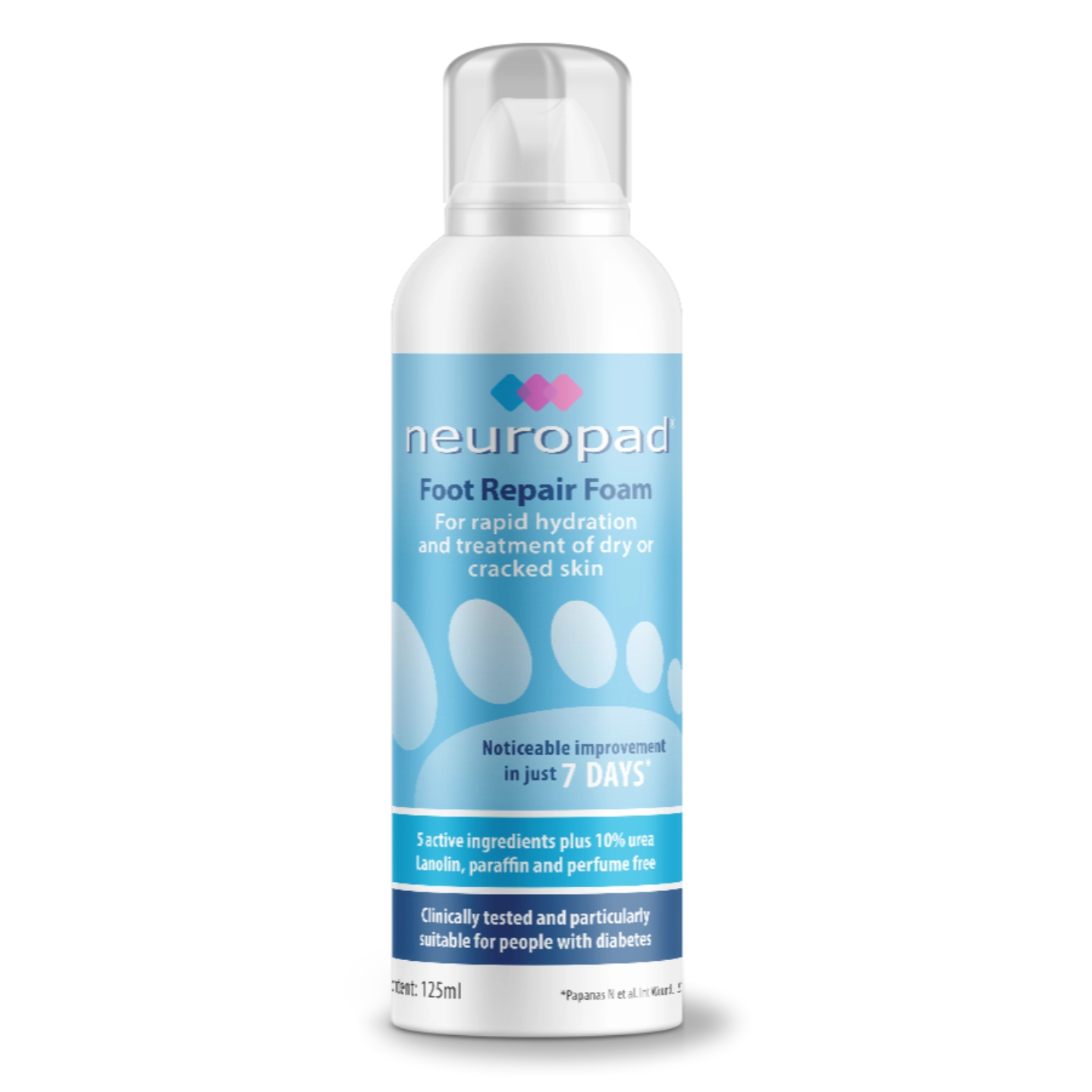
Neuropad® Foot Repair Foam
Neuropad® Foot Repair Foam is an emollient (moisturiser) specially developed to help protect your feet by keeping them soft and hydrated, helping the external layers of the skin to become softer and more pliable.
It is free from lanolin and perfume, is non-greasy, and contains natural plant extracts.
Why Use Neuropad® Foot Repair Foam
Each day, your feet are subjected to a great deal of physical stress. If you have diabetes, you may be particularly at risk of damaging your feet.
Why? Because lack of sweating and, eventually, lack of feeling mean that you may not detect damage to your feet until it has become serious and requires specialist treatment.
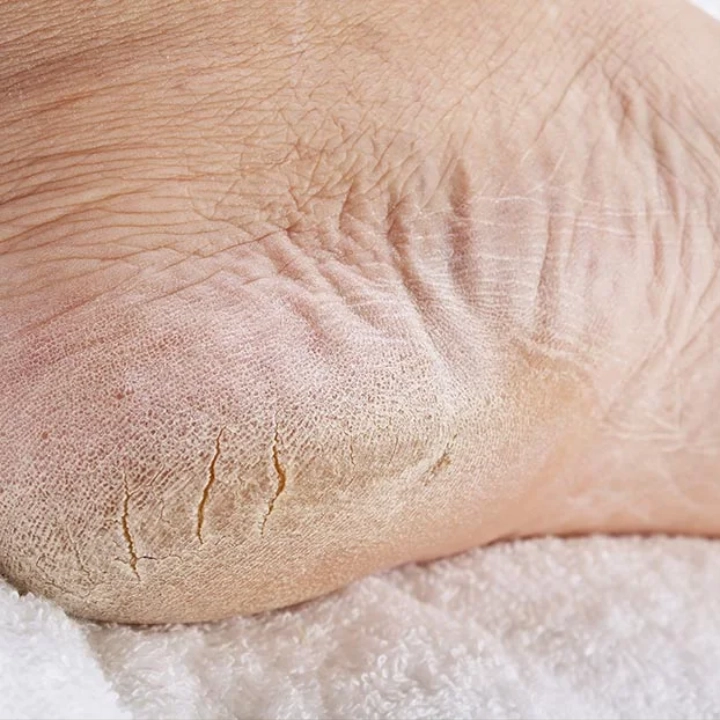
Diabetes can cause dryness
Dry skin may result from diabetes mellitus, with high blood sugar levels impairing the skin’s ability to retain moisture. This can lead to a compromised protective barrier, particularly affecting the feet. The skin tends to produce less sweat, leading to overheating.
Additionally, the feet receive inadequate nutrients and oxygen, reducing their ability to fend off infections. Sensitivity to pain is often diminished, causing minor injuries to go unnoticed and increasing the risk of contamination. Infections can develop quickly and are difficult to heal.
Use products designed for people with diabetes
Given these specific needs, foot care for those with diabetes requires tailored products that provide substantial moisture. Regular preventative measures, including the use of suitable moisturizing products, should be a vital component of daily foot care.
Neuropad® Foot Repair Foam contains 5 active ingredients and 10% urea
Urea
Urea is naturally present in healthy skin. It is one of three natural moisturising factors in the outer layer of our skin. Urea absorbs water and increases the skin’s water content, reducing water loss.
Centella Asiatica extract
Centella Asiatica extract, rich in triterpenoids, speeds wound healing, boosts antioxidants, strengthens skin, and increases blood flow to wounds.
Allantoin
Allantoin increases water in the extracellular matrix, enhances skin peeling (desquamation), smooths skin, promotes cell growth, and supports wound healing
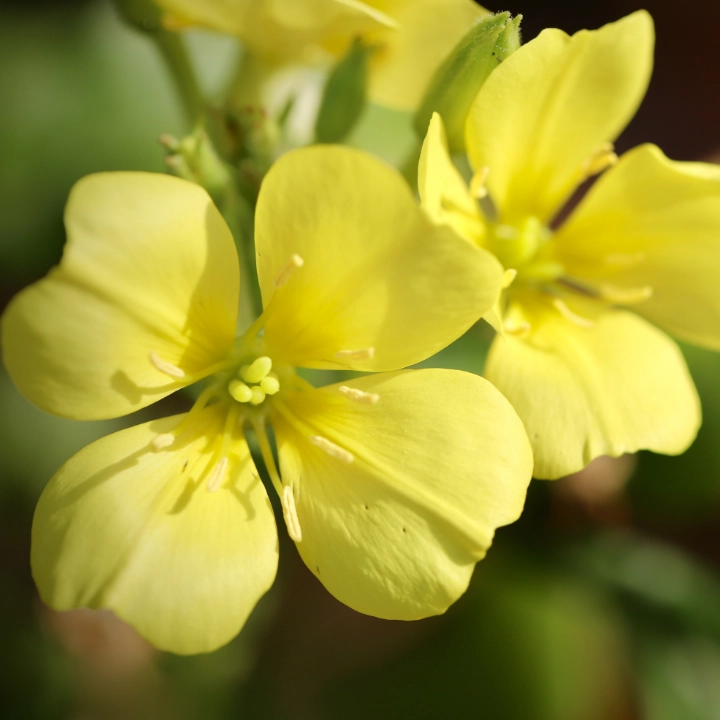
Evening Primrose Oil
Evening primrose (Oenothera Biennis) oil is rich in omega-6 fatty acids, mainly gamma-linolenic acid (GLA) and linoleic acid, which are essential for forming myelin (the protective coating around nerve fibres) and neuronal cell membranes.
Panthenol
Panthenol (pro-vitamin B5) is a humectant that attracts moisture, strengthens the skin barrier, and supports collagen-producing fibroblasts.
Alpha hydroxy acids
Alpha hydroxy acids (AHAs) treat very dry skin by exfoliating—removing dead skin cells from the surface—and can also thicken deeper skin layers, improving firmness.
Neuropad® Foot Repair Foam has been clinically studied
Although not classed as a medical product, it has been studied clinically with positive results.3,4
For example, in a recent study4 involving 53 patients, aged 68 ±11 years, of whom 70% had previously used other footcare products the following results were published.
experienced improved hydration
experienced improved skin tone, elasticity and flexibility
experienced a reduction in calluses
judged the foam to be non-fatty
judged the foam to be absorbed quickly by the skin
judged the foam to be comfortable
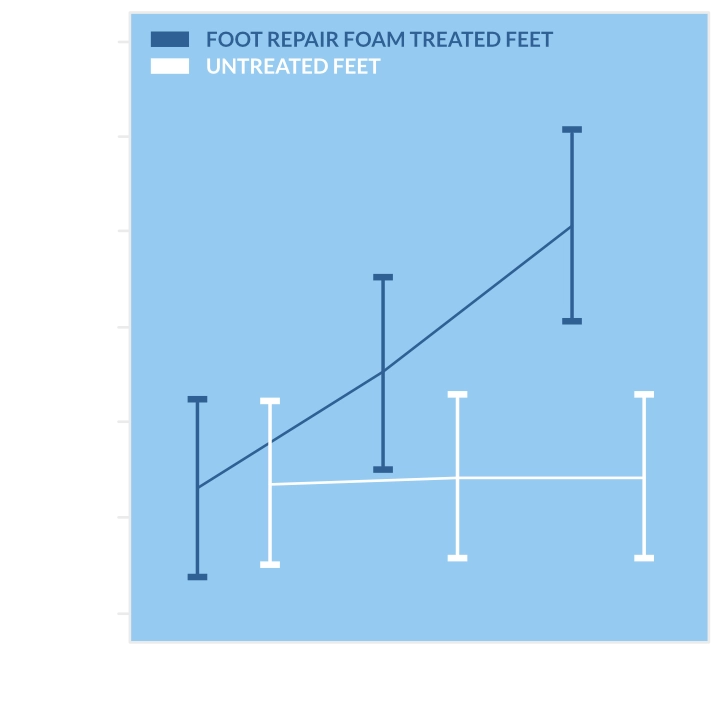
This graph shows the improvement to skin capacitance that a regular application of Neuropad® Foot Foam brings about. Skin capacitance is the skin’s ability to store electrical charge, linked to moisture levels. Well-hydrated skin has higher capacitance, promoting overall health in several ways:
- Moisture Retention: Prevents dryness and cracking
- Barrier Function: Protects against pathogens and irritants.
- Sensitivity and Sensation: Supports nerve function for better pain and injury awareness.
- Enhances skin’s ability to heal, lowering infection risk.
Maintaining good skin capacitance through moisturising and foot care is vital, especially for those with diabetes.
How to apply
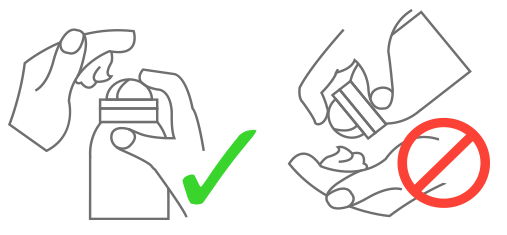
Shake well before use. Always keep canister upright in use and lightly press the applicator to produce a 1-2cm diameter ball of foam. Massage foam gently into the skin. Apply regularly to prevent dryness from developing.
Contraindications, cautions and interactions
Do not use if you believe you are sensitive to any of the ingredients. Do not use on children under 5 years of age. Do not apply near the eyes or mucus membranes and do not inhale the contents. For external use only. Urea may increase the penetration of other products into the skin. Please seek medical advice if you are using any other topical products. For example, in a recent study4 involving 53 patients, aged 68 ±11 years, of whom 70% had previously used other footcare products the following results were published.
Full list of ingredients
Aqua, Urea, Caprylic/Capric Triglyceride, Butane, Stearic Acid, Propane, Persea Gratissima Oil, Cetyl Alcohol, Stearyl Alcohol, Sodium Lactate, Glycerin, Sorbitan Stearate, C12-15 Alkyl Benzoate, Methyl Glucose Sesquistearate, Cocamidopropyl Betaine, Lactic Acid, Alcohol Denat., Sodium Benzoate, Menthol, Menthyl Lactate, Panthenol, Tocopheryl Acetate, Isobutane, Potassium Sorbate, Allantoin, Oenothera Biennis Oil, Butylene Glycol, Glycolic Acid, 2-Bromo- 2-Nitropropane-1,3-Diol, Centella Asiatica Extract, Retinyl Palmitate, Citric Acid, Helianthus Annuus Seed Oil, Tartaric Acid, Tocopherol, Sodium Hydroxide, Sodium Chloride.
References
- Kottner J, Lichterfeld A, Blume-Peytavi U. Maintaining Skin Integrity in the Aged: A Systematic Review. British Journal of Dermatology. 2013; Sept 16913.
- Loden M. Urea-containing moisturizers influence barrier properties of normal skin. Arch Dermatol Res. 1996;288:103-7.
- Pagrach B, Ruys I, Effect of repair moisturizing foam in the treatment of dry skin of the diabetic foot, 2011.
- Papanas N et al. Evaluation of a new foot foam to increase skin hydration of the foot in type 2 diabetes: a pilot study. Int Wound J. 2011 Jun;8(3):297-300.
- Ullah OM, et al. Antimicrobial, cytotoxic and antioxidant activity of centella asiatica. Eur J Sci Res. 2009;30:260-4.